
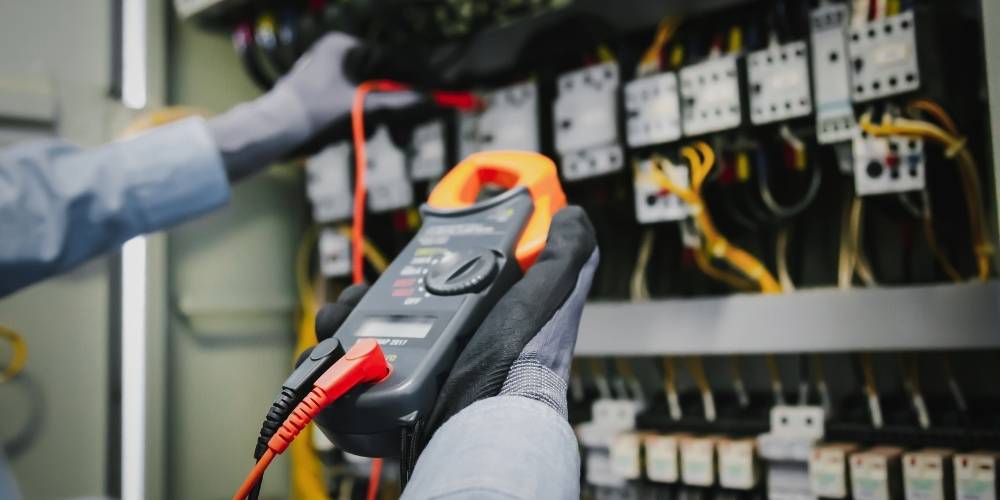
Understanding the shift to modern electrical standards
The world of electrical installation never stays still for long. If you have been in the trade for any length of time, you will know that the regulations are constantly evolving to keep pace with new technologies and safety data. The current standard, known as the 18th Edition, is the benchmark that every electrician in the UK needs to work towards. It is not just about following rules for the sake of it; it is about ensuring that every home, office, and industrial site is as safe as it can possibly be in an increasingly electrified world.
Formally known as BS 7671:2018, these regulations are issued by the Institution of Engineering and Technology (IET) and the British Standards Institution (BSI). They provide the national standard for electrical installations in the UK. Since its initial release, we have seen significant updates, most notably Amendment 2, which was published in 2022. This amendment brought about some of the most substantial changes we have seen in years, focusing heavily on fire safety, protection against overvoltages, and the growing trend of locally generated renewable energy.

The core focus of the 18th Edition
The primary goal of the 18th Edition is to provide a framework that prevents fire, electric shock, and injury. While the 17th Edition laid a solid foundation, the 18th takes things further by acknowledging how we use electricity today. We no longer just plug in a kettle and a television; we have smart homes, electric vehicle (EV) chargers, solar panels, and battery storage systems. The regulations have had to adapt to ensure these complex systems do not pose a risk to the public.
One of the biggest shifts has been the move from recommendations to requirements in several key areas. For instance, the way we think about protection against transient overvoltages has changed. In the past, it was often left to the discretion of the designer or installer, but now, the rules are much more prescriptive to protect sensitive electronic equipment that is now found in almost every building.
The rise of Arc Fault Detection Devices
Perhaps one of the most talked-about additions in the recent updates to the regulations is the requirement for Arc Fault Detection Devices (AFDDs). These clever bits of kit are designed to detect dangerous electric arcs that standard circuit breakers or RCDs might miss. An arc fault can happen due to damaged cables, loose connections, or even rodent damage, and they are a leading cause of electrical fires.
Under the latest rules, AFDDs are now mandatory for certain types of higher-risk buildings, including:
- Higher-risk residential buildings (HRRBs)
- Houses in multiple occupation (HMOs)
- Purpose-built student accommodation
- Care homes
Even where they are not mandatory, the regulations strongly recommend them for all other circuits. This move reflects a broader trend in the industry towards proactive fire prevention rather than just reactive circuit protection.
Why surge protection is no longer an afterthought
In previous years, Surge Protection Devices (SPDs) were often seen as an optional extra, something you might install if you had particularly expensive equipment. However, the 18th Edition has effectively made them a standard requirement for most installations. With the sheer volume of delicate electronics in modern homes—from smart thermostats to high-end computers—a single power surge from the grid or a nearby lightning strike can cause thousands of pounds worth of damage.
The regulations now state that protection against transient overvoltages must be provided where the consequences caused by the overvoltage could result in:
- Serious injury to, or loss of, human life
- Significant financial or data loss
- Interruption of commercial or industrial activity
- Interruption of public services
For most domestic dwellings, the decision often comes down to a discussion with the homeowner about the value of their equipment, but in many cases, it is simply safer and more professional to include them as standard.
Prosumer electrical installations and the future
A fascinating new addition to the 18th Edition is Chapter 82, which deals with Prosumer Electrical Installations (PEIs). A ‘prosumer’ is someone who both consumes and produces electricity. Think of a homeowner with solar panels on the roof and a battery in the garage. They are no longer just a passive consumer; they are part of a mini-grid.
This chapter was introduced to provide requirements for the design, erection, and verification of these systems. It ensures that when a house is generating its own power and potentially feeding it back into the grid, the installation remains safe and stable. It covers things like:
- Managing the interface between the local supply and the public grid
- Ensuring the safety of maintenance workers when multiple power sources are present
- Optimising the use of energy through smart management systems
This is a clear sign that the industry is preparing for a future where decentralised energy is the norm rather than the exception.
The importance of staying qualified
For a professional electrician, holding a current qualification in the latest regulations is not just a badge of honour; it is often a legal and commercial necessity. Most government-approved registration bodies, such as NICEIC or NAPIT, require their members to be up to date with the latest version of BS 7671. Furthermore, if you are working on site, many main contractors will not even let you through the gates unless you can prove you have passed the latest 18th Edition exam.
The training usually involves a short course followed by a multiple-choice exam. While it might seem like a chore to head back to the classroom, most sparks find it incredibly useful. It is a chance to clear up any misconceptions, learn about new products on the market, and ensure that their work is fully compliant with current law. It also provides peace of mind for the customer, knowing that the person working in their home is fully aware of the latest safety standards.
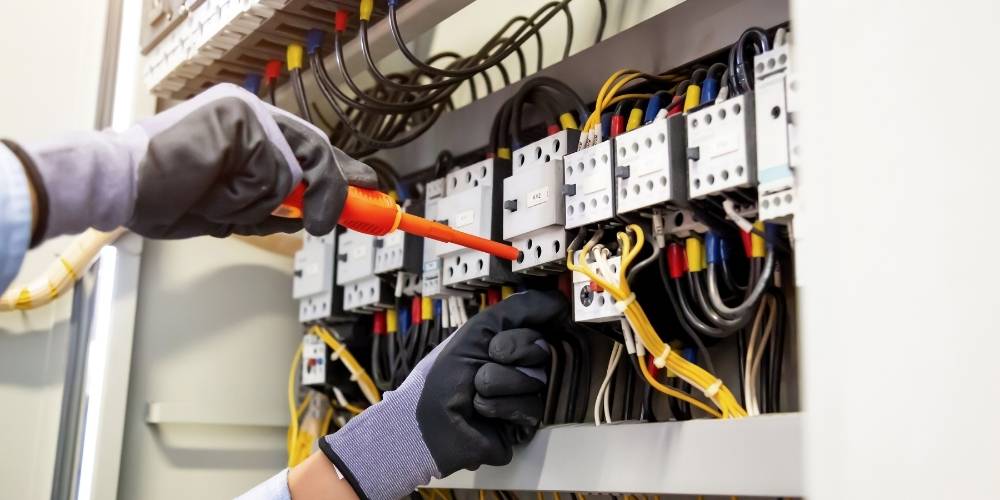
Practical implications for daily work
On a day-to-day basis, the 18th Edition changes how we approach almost every task. From the way we support cables in escape routes to prevent them from falling and entangling firefighters, to the specific types of RCDs we select for different loads, the details matter. We have moved away from the ‘one size fits all’ approach. For example, Type AC RCDs are now largely restricted because they cannot always detect the types of residual currents produced by modern electronic devices. Instead, we are seeing a much wider use of Type A and Type F RCDs.
Documentation has also become more rigorous. The schedules of inspections and the certificates we issue must reflect the current standards. This ensures a clear paper trail for every installation, which is vital for insurance purposes and for any future work carried out at the property. By following these guidelines, electricians are not just installing wires; they are building a safer infrastructure for the entire country.
Ultimately, the transition to these updated standards represents the professionalisation of the industry. It separates the hobbyists from the true professionals who take their responsibility to public safety seriously. As technology continues to advance, we can expect the regulations to keep moving too, ensuring that the UK remains a world leader in electrical safety and innovation.